
Bloat in Dogs: The Warning Signs Every Denver Dog Owner Needs to Know

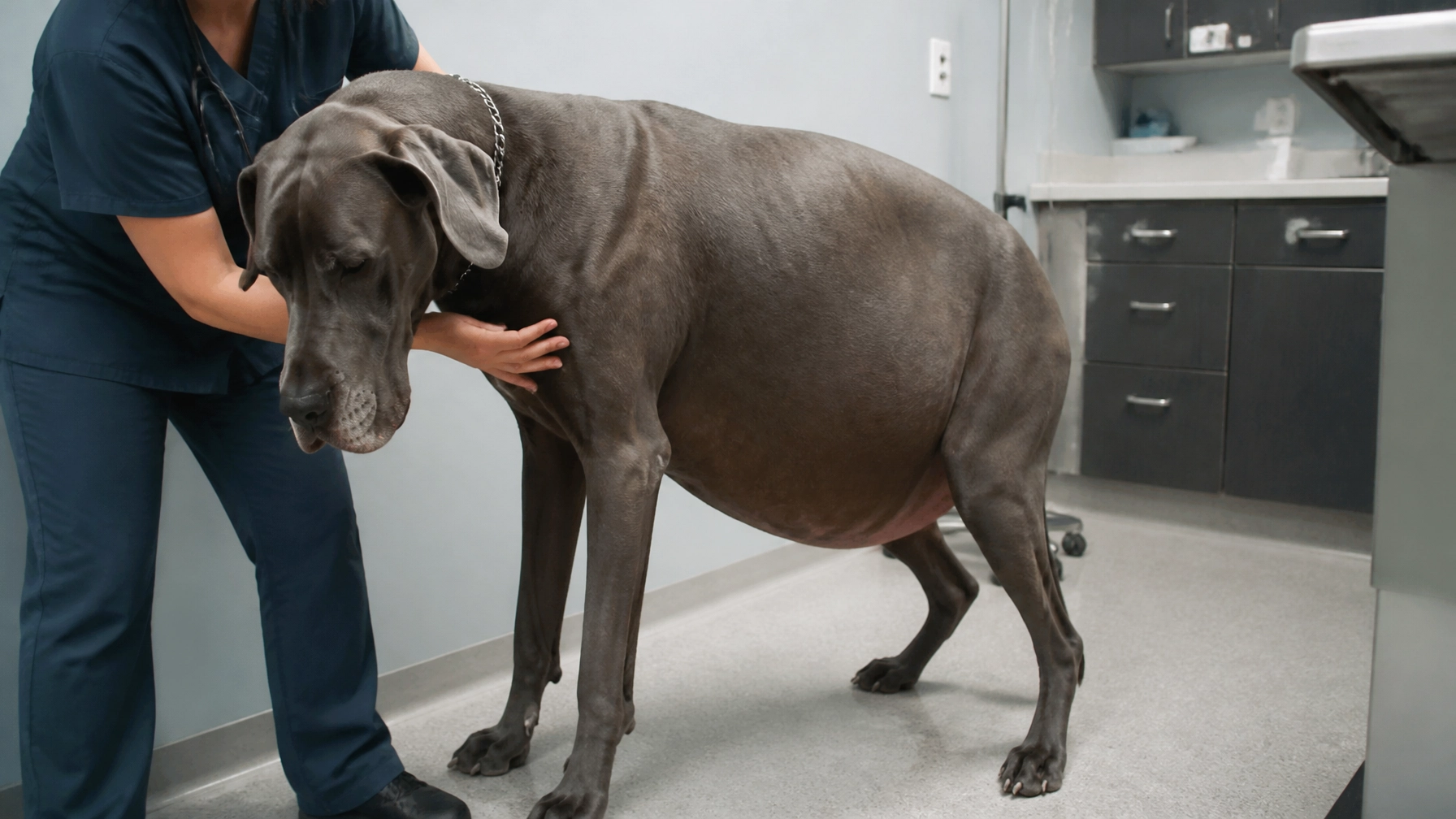
This isn't a stomach ache. This is a race against the clock.
Picture your dog coming off a Front Range trail. They're hot, panting hard, and gulping water the second you get back to the car. A little while later, they can't settle, they keep trying to vomit, and nothing comes up. Their belly starts to look tight. They seem panicked.
That can be bloat.
Bloat, also called Gastric Dilatation-Volvulus (GDV), is one of the most serious emergencies in veterinary medicine. It can kill a dog within hours without treatment. Even with treatment, published veterinary sources report mortality rates in the 10% to 45% range depending on the case and complications. Without treatment, it is nearly always fatal.
The hard part is how fast it can move. GDV can go from early signs to a full crisis in under an hour. This is why Denver-area dog owners need to know the signs cold and act fast.
What Bloat Actually Is
Think of the stomach like a balloon.
First, it fills with gas, food, or fluid. Then, in the most dangerous cases, it twists. That twist traps everything inside and cuts off blood flow to the stomach. It also puts crushing pressure on major blood vessels trying to get blood back to the heart.
Once that happens, the whole body starts to suffer. The stomach can begin to die. The spleen can be affected. Shock sets in. Heart rhythm problems can follow. Organs start failing.
This is why bloat is not something you monitor at home. It is not something you sleep on and check again in the morning. It is a true veterinary emergency.
Veterinary sources including the MSD Veterinary Manual, Cornell Vet, ACVS, AAHA, and VCA all make the same point: suspected GDV needs immediate veterinary care and usually emergency surgery.
Why Denver Dogs Are At Risk
Here in Denver, Arvada, and across the Front Range, we live with a very specific version of this risk.
We hike. We trail-run. We do long park outings. We load up the dog and head to the foothills on warm weekends. Then we come home with a dog who is overheated, breathing hard, and desperate for water.
That post-hike gulp matters.
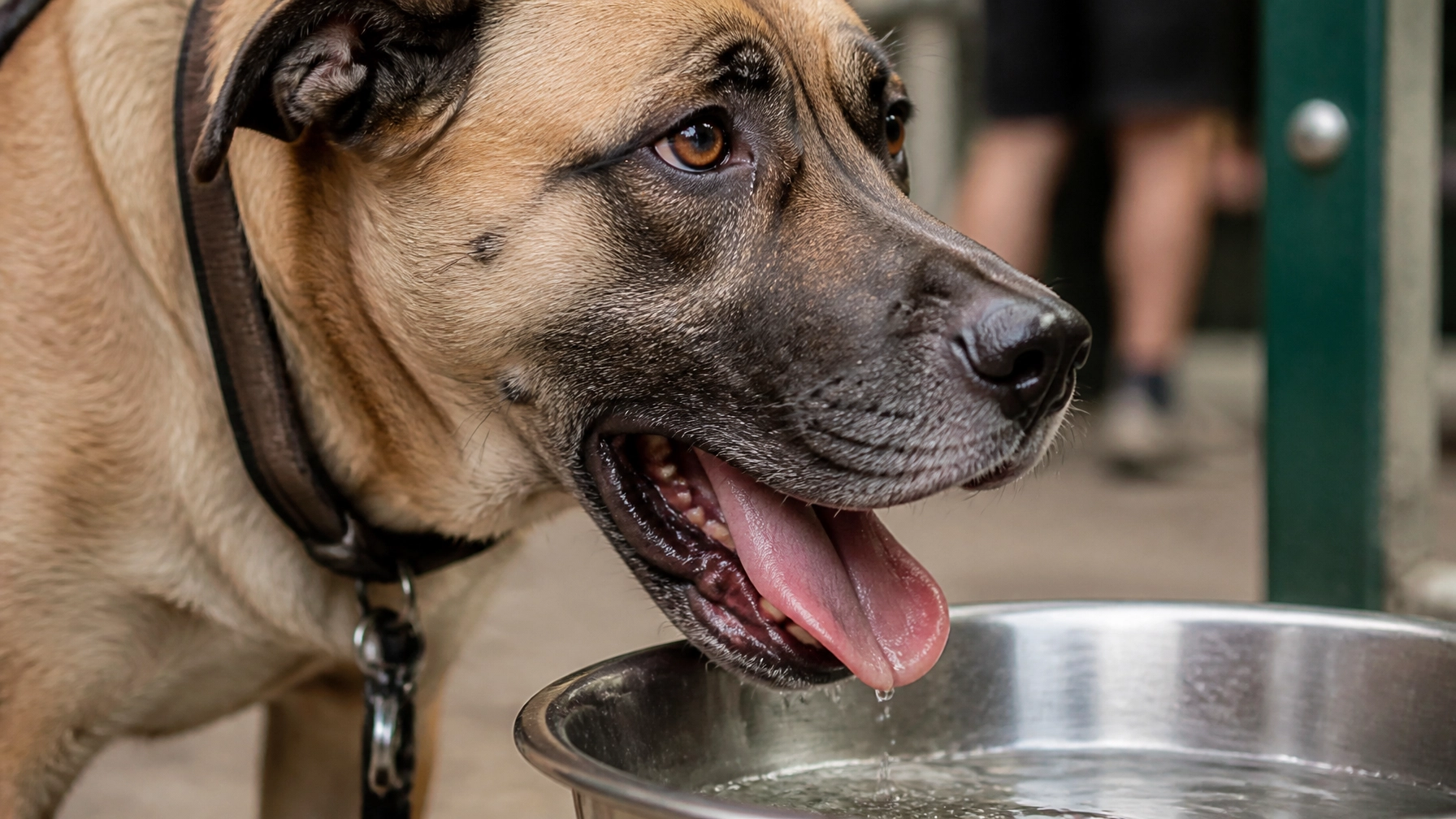
When a dog gulps water while panting heavily, they often swallow a lot of air with it. That air-swallowing, called aerophagia, can add to stomach distention. Pair that with a tired body, a deep chest, a full stomach, or recent exercise, and you've got a combination every Colorado dog owner should take seriously.
Altitude is not the sole cause of GDV, but our active lifestyle and dry climate can make this pattern especially familiar. If your dog comes off a hike hot and frantic, the goal is not to let them slam a full bowl of water or eat dinner right away. The goal is to help them settle first.
At Padfoot Pets, we spend a lot of time coaching owners to read arousal, stress, and recovery in real life. That includes knowing when your dog is too worked up to safely gulp water or food.
The Signs: Know Them Cold
If you see these signs, especially after exercise, drinking fast, or eating, assume this could be an emergency and move.
Unproductive retching
Your dog is trying to vomit, but nothing comes up. You may see repeated dry heaving or straining with only a little foam or saliva.
Distended or hard belly
The abdomen may look bloated or swollen. It may feel tight, hard, or drum-like. In some deep-chested dogs, the swelling is harder to see, so do not rely on belly size alone.
Restlessness or pacing
A dog with bloat often cannot get comfortable. They may pace, circle, keep standing up after trying to lie down, or repeatedly look back at their side.
Excessive drooling
Look for heavy drooling or long ropes of saliva. This is a common red flag.
Pale or blue gums, rapid heart rate, weakness, or collapse
These are later-stage signs and can mean the dog is moving into shock. If you see this, the situation is critical.
Who Is Most At Risk?
GDV is most common in large, deep-chested breeds, but it can affect any dog.
Higher-risk breeds often include:
- Great Danes
- German Shepherds
- Standard Poodles
- Doberman Pinschers
- Weimaraners
- Old English Sheepdogs and other large deep-chested dogs
If you live with one of these dogs, prevention matters even more. Cornell Vet notes that gastropexy can reduce recurrence risk to around 3% to 5%, compared with recurrence rates up to 80% without it. VCA and other veterinary sources make the same point: gastropexy is the most effective step we have to prevent a future twist.
This Is An Emergency — There Is No "Wait And See"
If you suspect bloat, there are zero home remedies.
Not gas meds.
Not a walk around the block.
Not waiting an hour to see if the belly settles down.
Not checking on them after dinner.
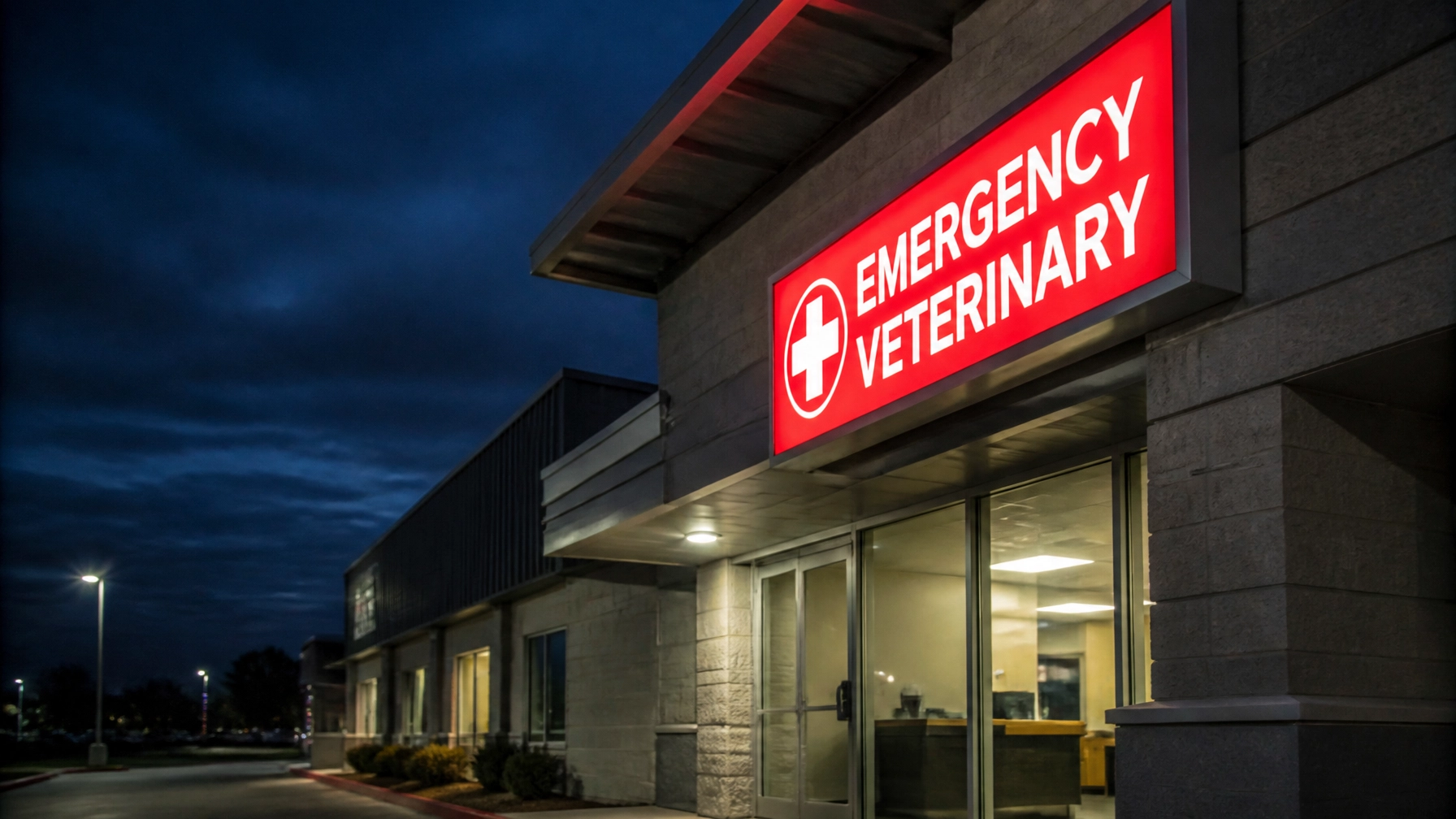
You call the nearest emergency vet and you go.
This matters because time changes outcome. In one published study of 736 GDV cases, mortality risk was about 2.5 times higher when more than 3 hours passed from presentation to completion of surgery. That is a brutal number, and it lines up with what emergency vets have said for years: delays cost dogs their lives.
Without treatment, GDV is nearly always fatal. Even with surgery and intensive care, mortality can still range from 10% to 45% depending on how advanced the case is and whether there is tissue damage, shock, heart rhythm problems, or the need to remove damaged stomach or spleen tissue.
If your dog is showing the signs, the job is simple:
- Call the closest emergency vet immediately. Say you are concerned about bloat or GDV.
- Leave now. Do not spend 20 minutes searching online, posting in a group chat, or trying home care first.
- Drive safely, but go. Minutes matter.
In the Denver metro, it is smart to know your nearest 24/7 emergency hospital before you need it.
Prevention: What Actually Helps
No prevention plan is perfect, but there are smart ways to lower risk.
- Slow the post-hike water intake. Offer small amounts of water at a time instead of letting your dog empty a huge bowl while still panting hard.
- Cool the body first. Use a cooling mat, frozen collar, fan, shade, or air conditioning so your dog can stop panting before they drink heavily.
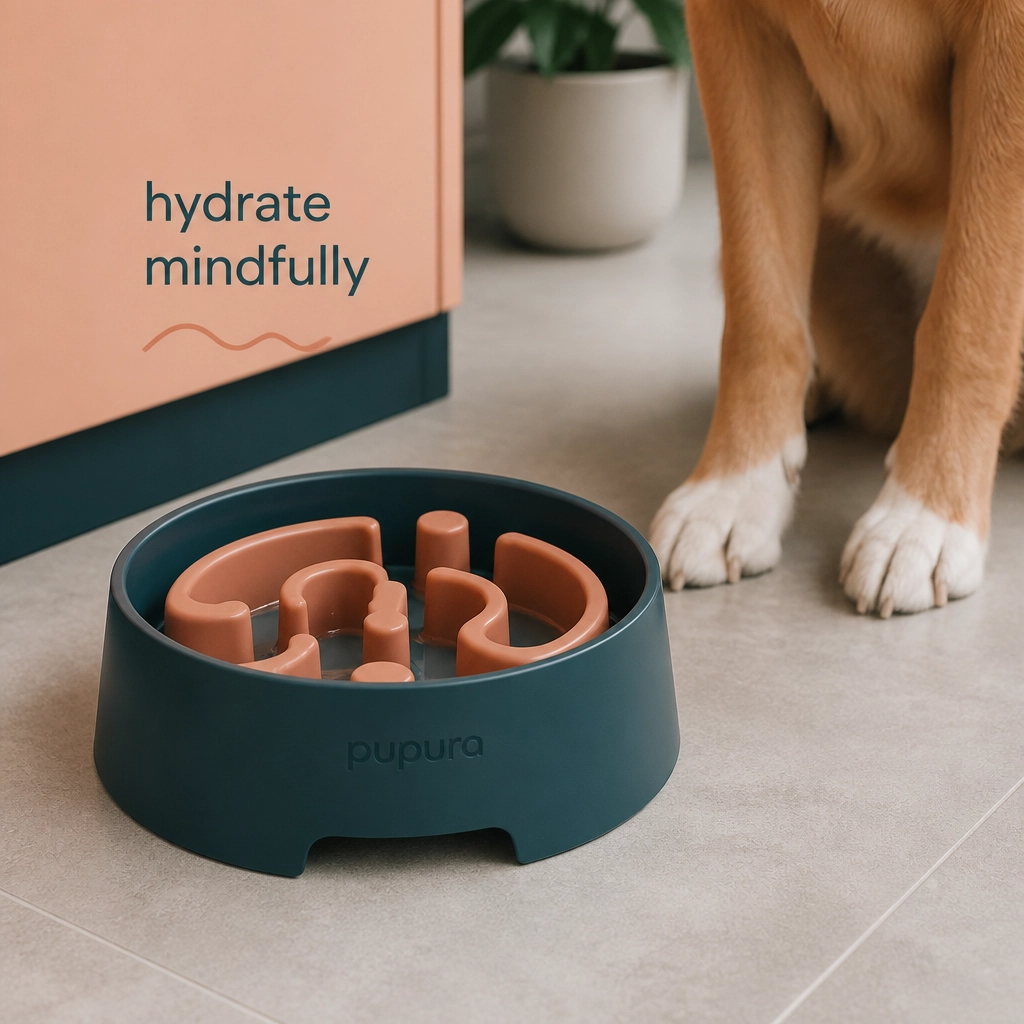
- Use slow-feeder bowls. These can help reduce fast gulping and swallowed air at mealtimes.
- Avoid hard exercise right after meals. Keep things calm for at least an hour after eating.
- Let your dog fully settle after intense activity before a full meal.
- Talk to your veterinarian about prophylactic gastropexy if you have a high-risk breed. For many deep-chested dogs, this is considered the gold standard preventive step because it helps prevent the deadly twist.
A quick but important distinction: gastropexy does not stop the stomach from filling with gas. What it does is help stop the stomach from twisting, which is the part that turns bloat into a catastrophic GDV emergency.

Build a Safer Routine, Not Just Better Obedience
At Padfoot Pets, we care deeply about real-life safety, not just training skills in a vacuum.
A big part of our Real World Training approach is helping owners notice the moments that matter: when their dog is too amped up, too stressed, too overheated, or too dysregulated to make safe choices around food, water, or busy environments. That same awareness can help with everything from summer heat safety to calmer transitions after exercise.
The goal is not to live scared. The goal is to know the signs, respect the risk, and have a plan.
Need help building a calm, structured routine for your active dog?
We help Denver-area dog owners learn how to read their dog's cues, create safer daily patterns, and build real-life skills that support both behavior and well-being. If you want support, we’re here.
Book a free discovery call with Tyler, our Director of Behavior, today.