
Understanding Heat Stroke in Dogs: Prevention, Signs, and Treatment


During the summer months, the Denver Front Range comes with its own unique set of challenges. We all want to get our dogs out to enjoy the trails, the breweries, and the parks, but navigating the Colorado sun requires a bit of extra care.
Have you ever noticed your pup walking specifically from shade patch to shade patch during a walk? Or maybe they stop to "sploot", stretching their belly flat on a patch of cool grass, and refuse to move? These aren't just cute quirks; they are your dog’s way of telling you they are getting too hot.
When we miss those subtle cues, "hot dogs" can quickly turn into a medical emergency. Heat stroke is the extreme end of overheating, and it’s something every dog owner in the Arvada and Denver metro area needs to understand to keep their furry family members safe.
What Exactly is Heat Stroke?
Heat stroke in dogs is a serious, life-threatening condition that occurs when a dog's body temperature rises to dangerous levels, typically above 104°F (40°C). While we humans have sweat glands all over our bodies to help us cool down, dogs have a much harder time.
Dogs primarily regulate their heat through panting. When they breathe in through the nose and out through the mouth, the moisture on their tongue evaporates, which helps cool their blood. They also have a small number of sweat glands in their paw pads, but these aren't nearly enough to cool them down on a 90-degree Denver afternoon.
When the air around them is too hot or too humid, panting stops being effective. Their internal cooling mechanism gets overwhelmed, their temperature spikes, and their organs can begin to struggle. Recognizing this early can truly be a life-saving skill.
Recognizing the Signs: From "Warm" to "Emergency"
The first step in preventing complications is recognizing the early signs of heat stress. Because our dogs can’t tell us, "Hey, I’m feeling dizzy," we have to be their advocates.
Early Warning Signs
If you are out at a park or on a trail and notice these signs, it’s time to stop, find shade, and start cooling your dog down immediately:
- Excessive, heavy panting: This looks different than "happy" panting; it’s more frantic and persistent.
- Thick, sticky drool: When dogs get dehydrated, their saliva becomes ropey and thick.
- Restlessness: Your dog may look for shade or pace anxiously.
- Bright red gums or tongue: This is a sign that the body is working overtime to move blood to the surface to cool down.
Severe Symptoms
If the condition worsens, it becomes a true medical emergency. Veterinary studies estimate that heat stroke can be fatal in up to 50% of untreated severe cases. Look out for:
- Lethargy or weakness: Your dog might stumble or seem "drunk" (loss of coordination).
- Vomiting or diarrhea: Sometimes you might even see blood in these.
- Pale or purple-tinted gums: This indicates a lack of oxygen or a sign of shock.
- Collapse or loss of consciousness: This is a dire emergency.
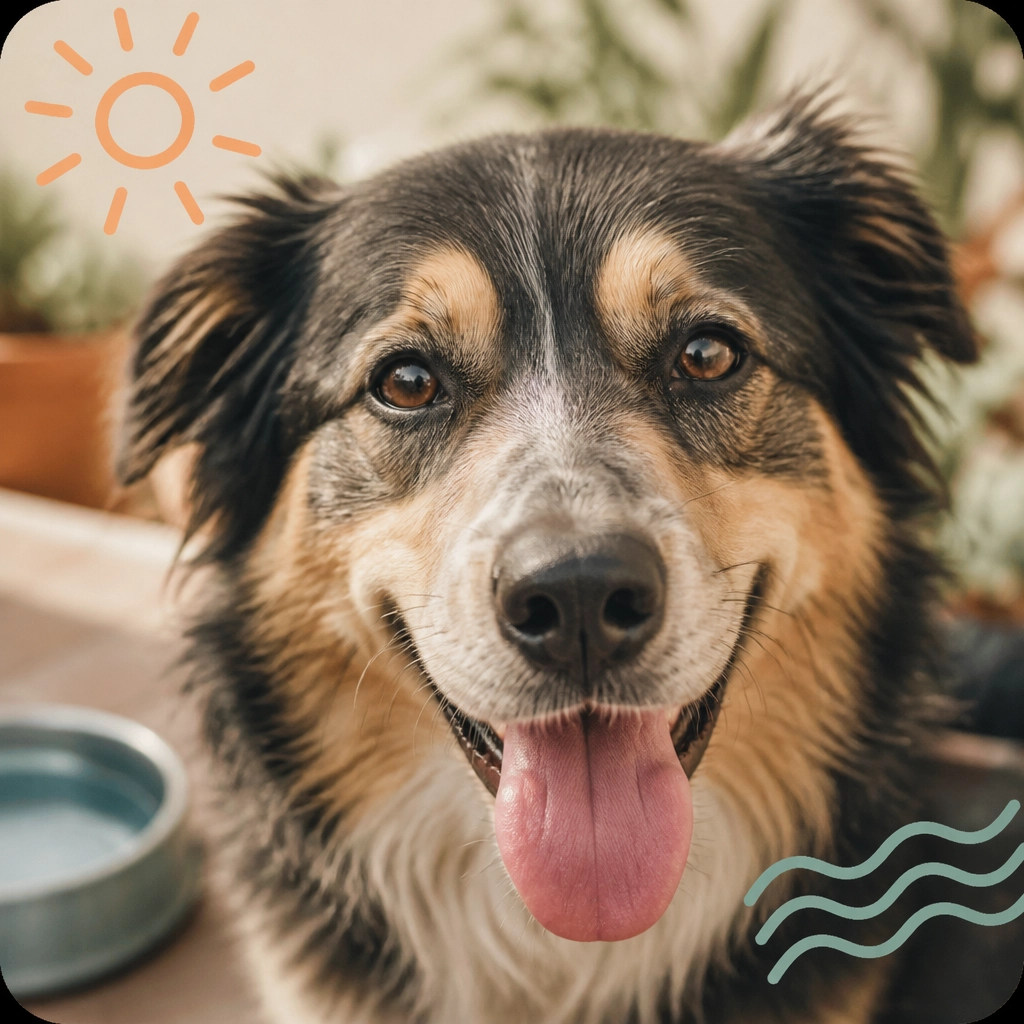
Why Denver Dogs are at Higher Risk
Our beautiful Colorado climate has a few factors that make heat stroke more common than you might think.
- High Altitude: The sun is more intense at higher elevations. Even if the air temperature feels "manageable" to you, the solar radiation hitting your dog’s coat is significantly stronger than at sea level.
- Dry Air: While the lack of humidity helps panting be more effective, it also leads to faster dehydration.
- Active Lifestyles: We love to hike! But a dog's internal temperature can skyrocket during a steep climb on a trail with no tree cover.
The "At-Risk" Pups
Some dogs are naturally more susceptible to the heat. If your dog falls into these categories, you need to be extra vigilant:
- Brachycephalic breeds: These are our "short-nosed" friends like Bulldogs, Pugs, Boxers, and Shih Tzus. Because their airways are smaller, their panting is much less efficient at cooling them down.
- Senior or overweight dogs: Their hearts and lungs already work harder, making heat regulation a struggle.
- Dogs with thick coats: Think Huskies or Bernese Mountain Dogs. They are literally wearing a winter parka in July.
- Dogs with existing health issues: Especially those with heart or respiratory conditions.
Prevention: The Best Medicine
At Padfoot Pets, we believe in setting dogs up for success. Whether we are working on behavior modification for reactivity or just enjoying a walk, safety comes first.
1. Check the Weather Advisories
Before you head out, check the local Denver forecast. If it’s going to be in the 80s or 90s, plan your outdoor time for early morning (before 9:00 AM) or late evening (after 7:00 PM).
2. The 5-Second Rule
Pavement and asphalt can get hot enough to burn paw pads in seconds. Place the back of your hand on the pavement for five seconds. If it’s too hot for you to hold it there, it is way too hot for your dog’s paws and will contribute to their body overheating.
3. Hydration is Key
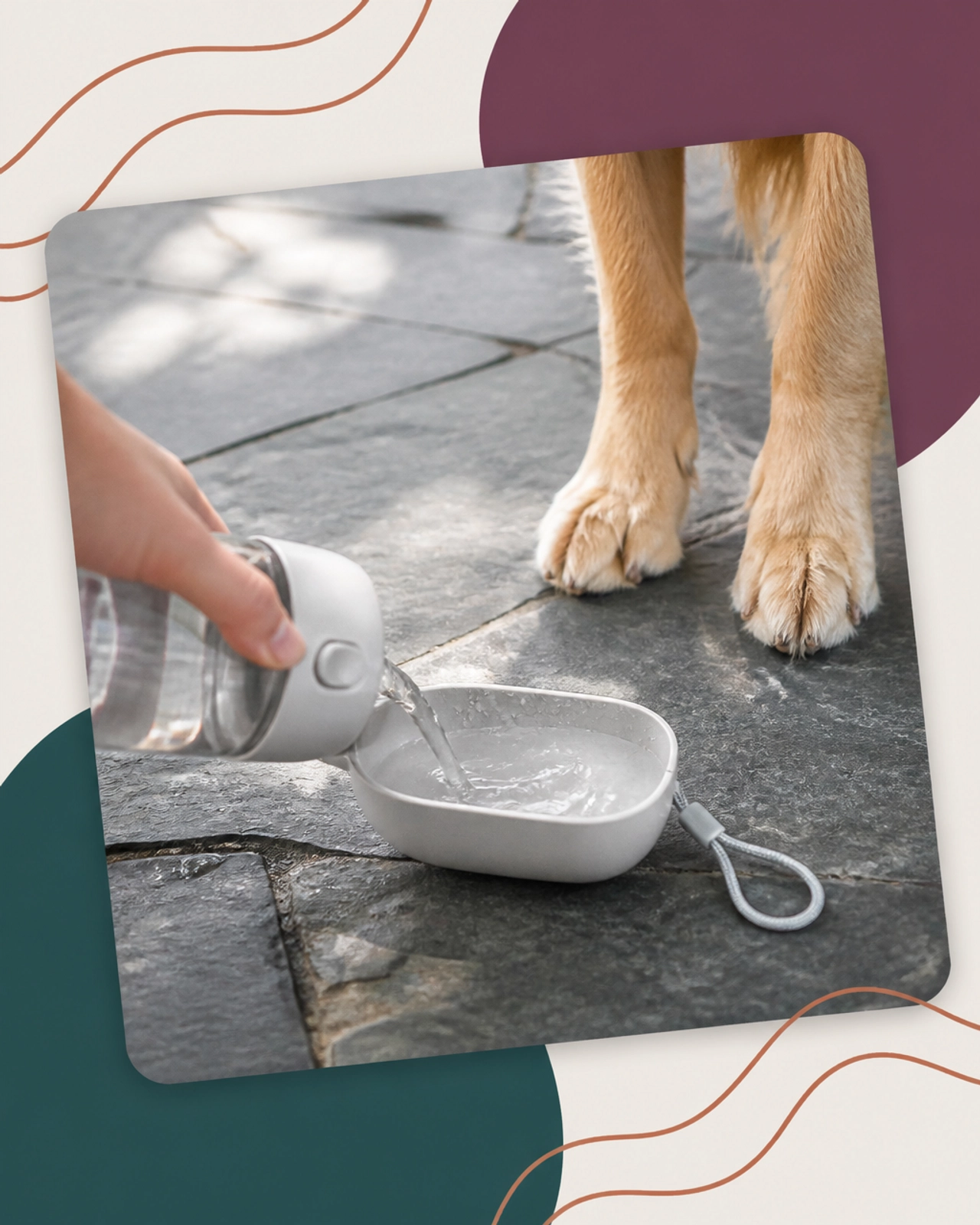
Always carry more water than you think you need. Offer small amounts frequently rather than one giant bowl at the end of the walk.
4. Never, Ever Leave a Dog in a Car
Even for "just a minute" with the windows cracked. In 75-degree weather, the inside of a car can reach 100 degrees in 10 minutes. In the Denver sun, it happens even faster. It’s simply not worth the risk.
Emergency First Aid: What to Do (and What NOT to Do)
If you suspect your dog is experiencing heat stroke, every second counts. Your goal is to lower their temperature gradually: not instantly.
- Move to a cooler area: Get them into an air-conditioned room or deep shade.
- Use cool (NOT ice-cold) water: This is the most common mistake. Using ice or ice-cold water can cause the blood vessels to constrict, which actually traps the heat inside the body and can cause shock. Use room-temperature or cool tap water.
- Target high-blood-flow areas: Apply wet towels or spray water on their neck, groin, and armpits.
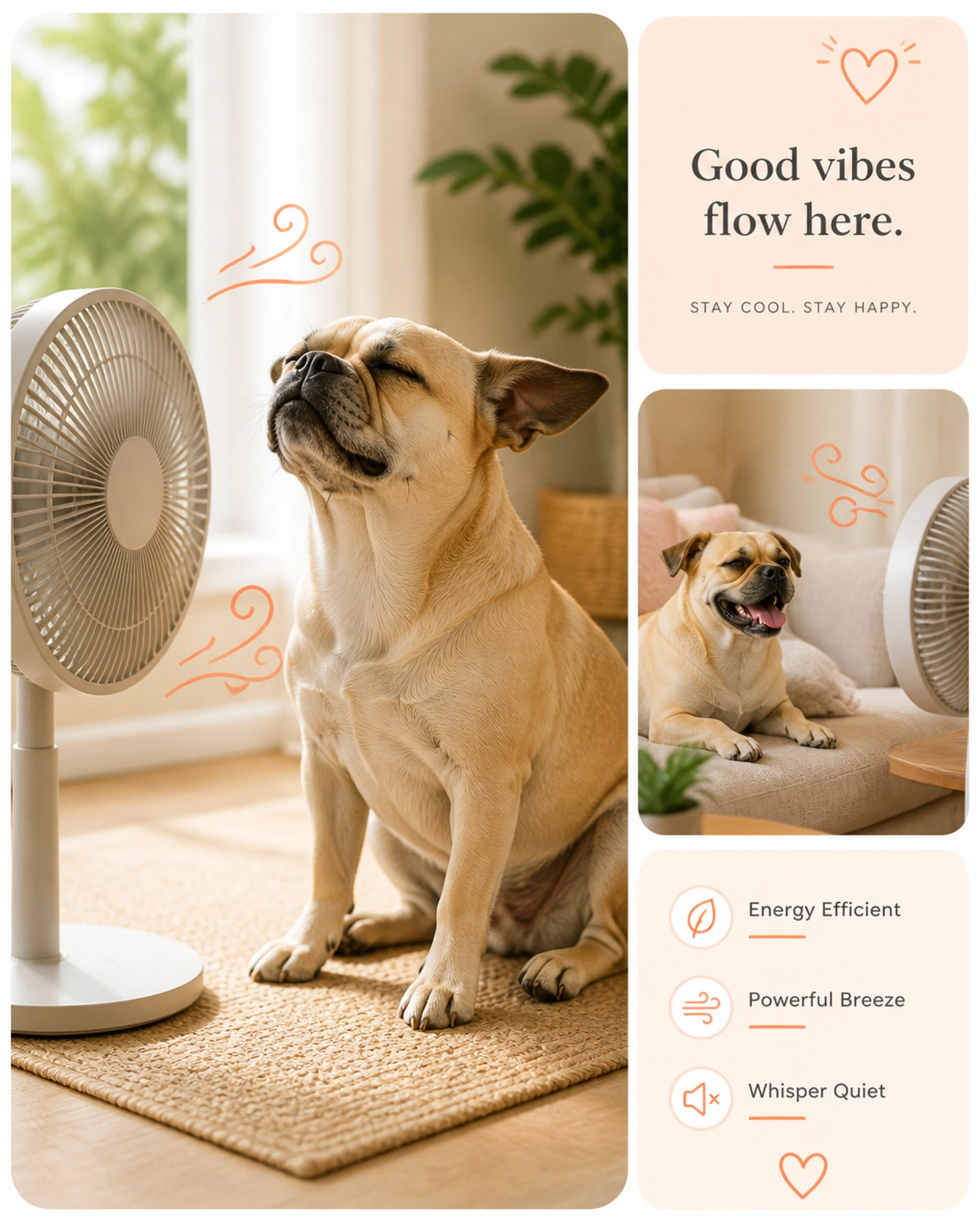
- Increase airflow: Place them in front of a fan or in the path of an air conditioner.
- Offer sips of water: Only if they are conscious and able to swallow. Do not force water down their throat.
A Quick Note on Bloat Risk After Overheating
A common scenario we see in Denver is this: your dog has been running around in the heat, panting hard, and the minute you get home they make a beeline for the water bowl and gulp down huge amounts of water (and air) in seconds. That rapid gulping — especially when a dog is already overheated and breathing heavily — can put them at risk for bloat (GDV), a life-threatening condition where the stomach fills with gas and twists.
Here's what to do instead: If your dog is excessively panting to the point where they're drinking frantically, don't plop them directly in front of a fan. That can actually encourage them to keep panting hard and gulping air. Instead, move them to a quiet, cool space. Use a cooling mat for them to lie on, or a frozen collar wrapped around their neck to help bring their temperature down gently. The goal is to slow their breathing, not force-air cool them. Once their panting has settled to a normal pace, offer small sips of water — never free-access gulping.
If your dog shows signs of bloat — a distended or hard belly, unproductive retching (trying to vomit but nothing comes up), restlessness, or signs of pain — this is a veterinary emergency. Do not wait. Get them to an emergency vet immediately.
The Golden Rule: Seek Veterinary Care Immediately.
Even if your dog seems to be cooling down and acting better, internal organ damage (like to the kidneys or liver) can continue to happen after the initial event. A professional evaluation is critical.
We’re Here to Help You Navigate the Real World
We know how stressful it can be when your dog is struggling: whether it’s with the heat or a difficult behavioral challenge. At Padfoot Pets, our Real World Training methodology is all about helping you understand the "why" behind your dog's actions.
When your dog stops in the shade, they aren't being "stubborn" or "disobedient": they are communicating a physical need. Learning to listen to those cues is the foundation of a strong, trust-based relationship.
By staying informed and taking these precautions, you can protect your dog from the dangers of heat stroke and keep them safe during the hotter months. Together, we can enjoy those sunny Colorado days safely!
Ready to Build a Better Connection?
Ready to enjoy your dog in real-life scenarios? Ready to understand what is affecting your dog's behavior? Whether you're dealing with reactivity, anxiety, or just want to polish your skills, we’re here to support you.
Visit our 1-on-1 Training page to see all package options, schedule an evaluation, or book today! You can also check out our Group Classes or join our Community Membership for ongoing support.
Still have questions? We'd love to chat.
Schedule a free discovery call with Tyler, our Director of Behavior, right here.