
Apartment Living With a Reactive Dog in Denver: Tips That Actually Work


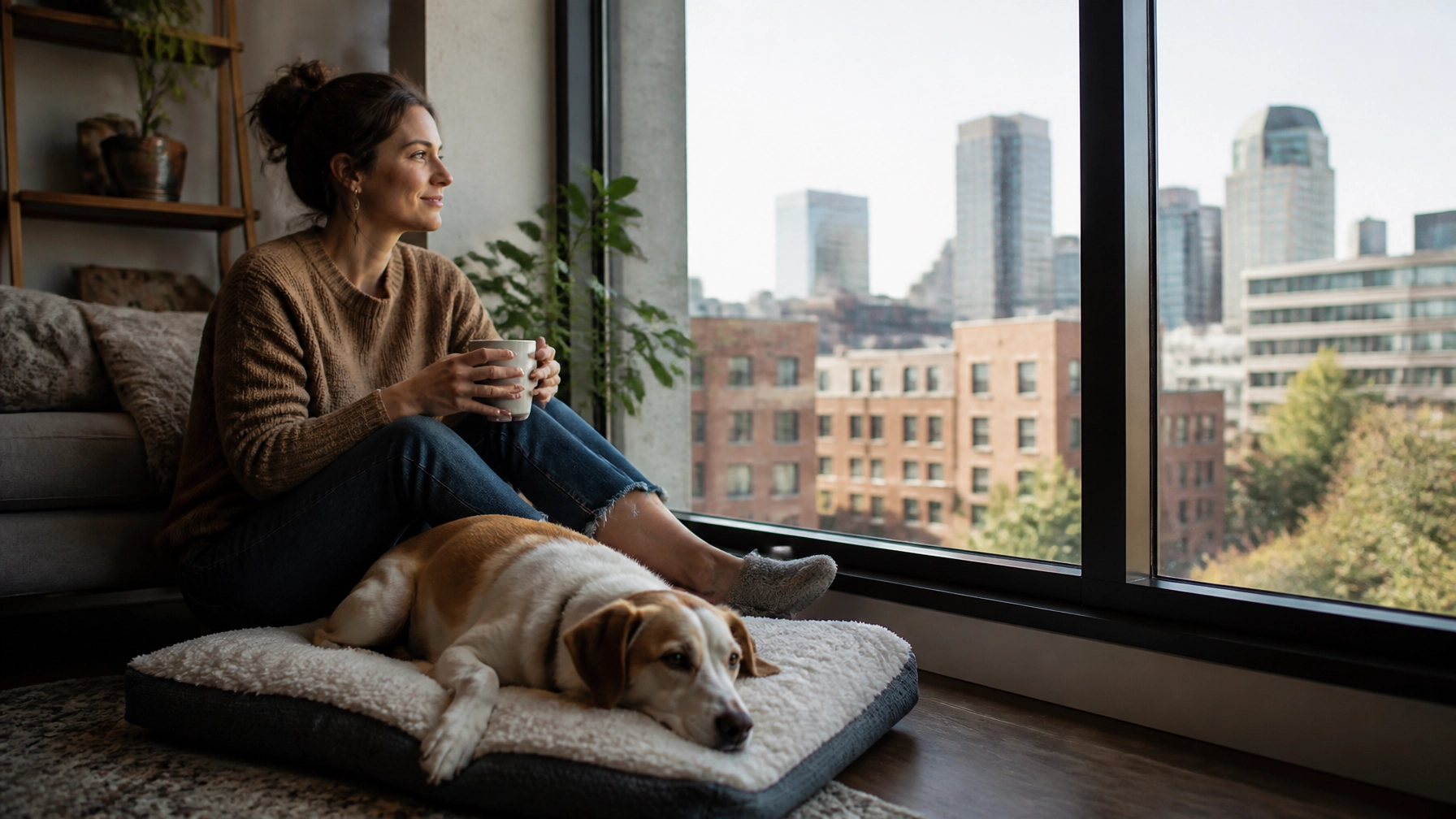
If you live in a high-rise in LoDo, a modern complex in RiNo, or a cozy walk-up in Arvada, you know the feeling. It’s that split second before you open your apartment door where you hold your breath, listening for the jingle of a neighbor’s collar or the heavy thud of footsteps in the hallway. For owners of reactive dogs, dogs who overreact to normal things like other dogs, strangers, or strange noises, the simple act of going for a potty break can feel like a high-stakes mission.
At Padfoot Pets, we work with hundreds of families across the Denver metro area navigating this exact stress. We know you’re not "failing" your dog, and your dog isn't "bad." You’re both just trying to navigate a world that feels a little too small and a little too loud sometimes.
The good news? Apartment living doesn't have to be a gauntlet. With a mix of smart management and our Real World Training methodology, you can lower the temperature on those stressful hallway encounters.
Surviving the "Hallway Gauntlet"
The hallway is often the hardest part of an apartment dweller's day. It’s a narrow, echoing tube where your dog feels trapped with no "escape route" when they see a trigger.
The Pre-Exit Listen
Before you even touch the doorknob, take five seconds to listen. If you hear an elevator dingle or a neighbor chatting, wait. Giving the hallway a minute to clear is the easiest management win you can have. When you do step out, keep your dog on the side of you opposite the apartment doors you're passing.
The "Treat Magnet"
One of our favorite tools for reactive dog training in Denver is the "treat magnet." This isn't just giving a treat; it’s delivering a continuous stream of small, high-value rewards (think tiny bits of boiled chicken or soft treats) directly into your dog's mouth as you walk past a "scary" door or a neighbor. This keeps their nose busy and their brain focused on you rather than the environment.
Navigating Elevators and Tight Corners
Elevators are essentially moving metal boxes that force dogs into close quarters with strangers. For a dog that needs space to feel safe, this is a lot to ask.
The Corner Strategy
When you enter an elevator, head for the back corner. Stand in front of your dog, acting as a gentle visual "buffer." If the doors open and another dog is there, don't be afraid to speak up! A friendly, "We’re training, could you give us just a second to hop off first?" goes a long way. Most Denver dog owners are happy to help if you give them a clear instruction.
The "Scout" Technique
When you're approaching a blind corner, whether it's the end of a hallway or the exit to the parking garage, do a quick scout. Step ahead of your dog, check the coast, and then invite them forward. This simple habit prevents those heart-stopping "nose-to-nose" surprises that often trigger a bark-fest.

Turning Your Apartment Into a Sanctuary
Reactivity doesn't just happen on the leash. Many dogs in Denver apartments struggle with "alert barking" at hallway noises or people passing by the window. To a dog, these are intruders in their safe space.
Buffering the Noise
The acoustics in modern apartment buildings can be tough. High ceilings and hardwood floors carry sound perfectly.
- White Noise: Keep a fan or a dedicated white noise machine running near your front door. This "blurs" the sound of footsteps and jingling keys.
- Visual Blockers: If your dog spends their day "patrolling" the window or the gap under the door, try window film. It lets the beautiful Colorado sunlight in but blocks the visual of the UPS driver or the dog across the street.
Creating a "Safe Zone"
Every reactive dog needs a spot in the apartment where they know they won't be bothered. This might be a cozy crate in a quiet bedroom or a specific rug in the corner. When the building gets busy, like during the 5:00 PM "puppy rush hour", this is where your dog should be, perhaps with a long-lasting chew or a stuffed food toy to keep their cortisol levels low.

Scouting the "Real World" in Denver
Living in a dog-friendly city like Denver is a blessing and a curse. While we have amazing parks, we also have a high "dog density."
Off-Peak Adventures
If you live near Wash Park or Sloan’s Lake, you know how chaotic they get on weekend afternoons. For a reactive dog, that’s "level 10" difficulty. We recommend doing your "Real World" practice during off-peak hours, early mornings or later evenings.
Knowing the "Escape Spots"
When you’re out for a walk, always be looking for "escape spots." This could be the space between two parked cars, a wide driveway, or even just stepping behind a large tree. Knowing exactly where you’ll go before you see another dog takes the panic out of the situation.

Why a Science-Based Approach Matters
It can be tempting to try "quick fixes" or tools that promise to stop barking instantly through corrections. However, as any reputable dog behaviorist in Denver will tell you, those methods usually just suppress the outward behavior while making the underlying fear or anxiety much worse.
At Padfoot Pets, we are strictly force-free. We don't use "alpha" theories or aversive tools like prong or shock collars. Why? Because reactivity is an emotional response. If your dog is barking because they are scared or over-aroused, adding pain or a "correction" only confirms to them that the thing they were worried about is indeed dangerous.
Instead, we focus on:
- Management: Keeping the dog's stress levels low so they can actually learn.
- Desensitization: Gradually exposing them to triggers at a distance they can handle.
- Counter-Conditioning: Changing their emotional "yuck" feeling into a "yay" feeling by pairing triggers with amazing rewards.
You Don’t Have to Do This Alone
We’ve seen it all: from the Great Dane in a studio apartment to the Chihuahua who thinks the entire hallway belongs to them. With over 150 clients and an A+ BBB rating, we specialize in helping Denver dog owners find peace in their own homes.
Our memberships and one-on-one coaching are designed to meet you where you are, literally. We come to your building, walk your halls with you, and help you navigate your specific elevators.
Ready to stop dreading the hallway?
We’d love to help you and your dog feel more confident and connected. Let’s chat about what’s going on and see how our force-free, science-based approach can work for you.
Book a free discovery call with Tyler, our Director of Behavior, right here.